
The Rise of Regenerative Aesthetics: Why Natural Rejuvenation Is the Future of Beauty
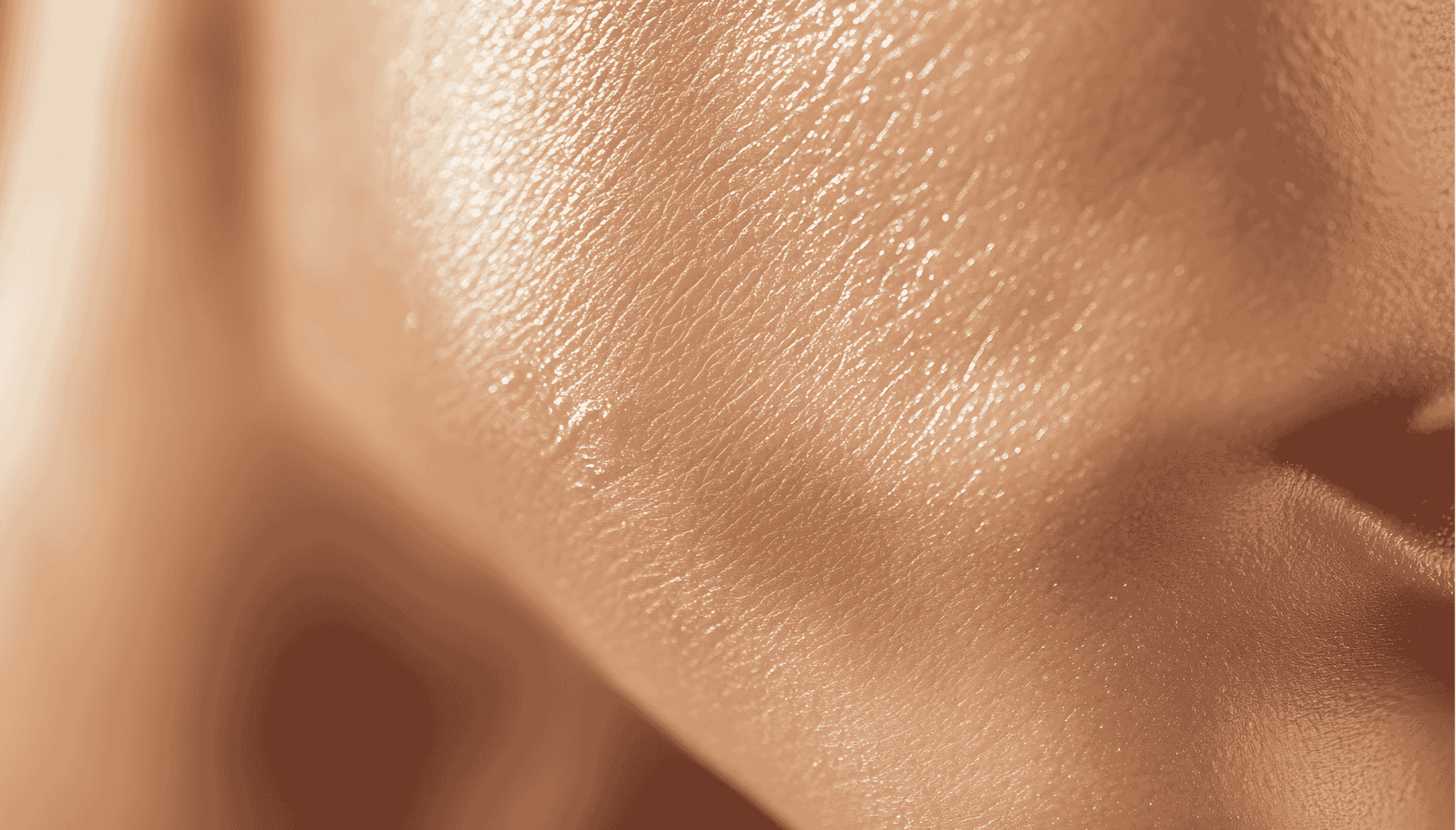
In the ever-evolving world of aesthetics, one trend is quickly becoming the focus of both practitioners and patients: regenerative aesthetics. Unlike traditional treatments that mask or temporarily correct signs of aging, regenerative approaches harness the body’s own healing mechanisms to create natural, lasting improvements in skin quality and appearance.
What Is Regenerative Aesthetics?
Regenerative aesthetics refers to a group of treatments that stimulate the body’s innate repair systems to restore skin health. Instead of relying solely on synthetic fillers, invasive surgeries, or aggressive resurfacing, regenerative procedures work at a cellular level to encourage tissue renewal.
The concept originates from regenerative medicine, a branch of healthcare focused on repairing or replacing damaged cells and tissues. Applied to aesthetics, the goal is not only to improve appearance but also to rebuild healthy, functional skin from within.
Key Treatments in Regenerative Aesthetics
Several innovative therapies fall under this umbrella, with the most popular including:
Exosome Therapy
Exosomes are tiny vesicles released by stem cells that contain growth factors, proteins, and genetic material. When applied to the skin, they stimulate cellular communication, encouraging collagen production, tissue repair, and improved skin tone.Platelet-Rich Fibrin (PRF) and Platelet-Rich Plasma (PRP)
Derived from a patient’s own blood, PRF and PRP are rich in growth factors that enhance wound healing and cell turnover. In aesthetics, they are used to improve skin texture, reduce fine lines, and even promote hair regrowth.Stem Cell-Based Treatments
While still under research and regulation in many countries, stem cell therapies show promise in rejuvenating aging skin by directly stimulating tissue regeneration.Growth Factor Serums
Often applied after procedures like microneedling or laser therapy, these serums contain bioactive molecules that enhance the skin’s ability to repair and recover.
Benefits of Regenerative Aesthetic Treatments
Natural-Looking Results – Because they enhance the body’s own processes, outcomes are gradual and subtle, avoiding the “overdone” appearance sometimes associated with more invasive procedures.
Long-Lasting Improvements – Regenerative treatments often continue to work weeks or months after the procedure, as collagen and elastin levels build over time.
Minimal Downtime – Many regenerative therapies, such as PRP or exosome facials, require little to no recovery time, making them appealing to busy professionals.
Preventative Care – Younger patients are turning to regenerative aesthetics not just to reverse aging but to delay its onset, making these therapies part of long-term skin maintenance.
Who Can Benefit?
Regenerative aesthetics is versatile and suitable for a wide range of patients. Individuals in their 20s and 30s may use these treatments preventively, while older patients may seek them to restore elasticity, reduce wrinkles, and improve overall skin health. They are also valuable for those dealing with acne scars, pigmentation, or hair thinning.
The Future of Aesthetics
As technology advances, regenerative aesthetics is expected to dominate the beauty industry. Patients increasingly prefer natural, science-backed solutions over synthetic quick fixes. Clinics worldwide are investing in advanced equipment and training to meet the growing demand.
Ultimately, regenerative aesthetics represents a shift from correction to restoration. By working with the body rather than against it, these treatments offer a holistic path to healthy, youthful skin—one that aligns with modern preferences for authenticity, wellness, and long-term results.

